technology

Massive sequencing

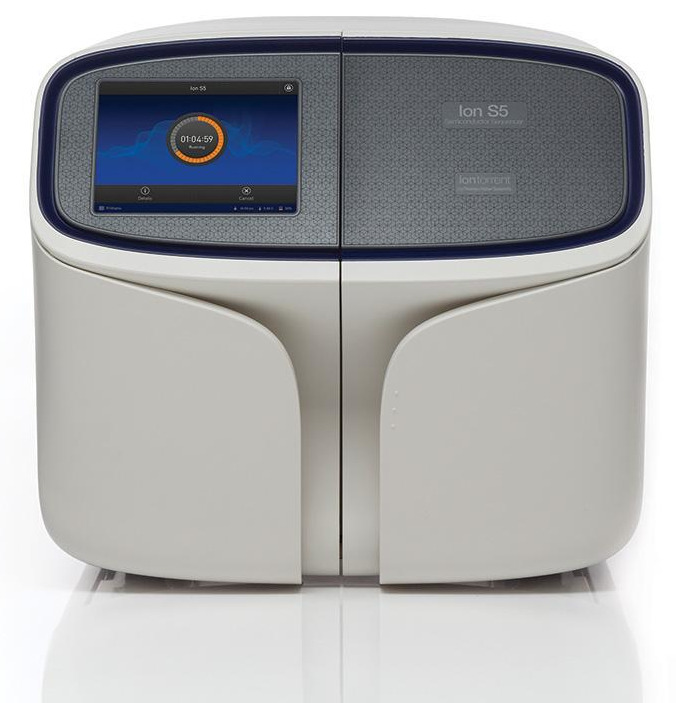
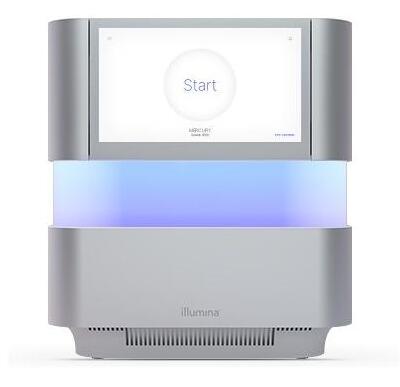
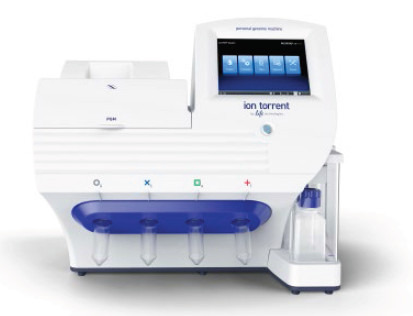
At Bioarray we use NGS techniques through the Thermo Fisher Scientific Ion PGM System, Ion S5™ System, Ion S5™ Prime System platforms with automation through the Ion Chef™ System. As well as Illumina's NextSeq 2000™ platform

At Bioarray, we utilize NGS techniques through the Thermo Fisher Scientific Ion PGM System and Ion S5™ System platforms, with automation via Ion Chef™, as well as the Illumina NextSeq 500™ platform.

genetics experts

Massive Sequencing Services

At Bioarray we use NGS techniques through the Thermo Fisher Scientific Ion PGM System, Ion S5™ System, Ion S5™ Prime System platforms with automation through the Ion Chef™ System. As well as Illumina's NextSeq 2000™ platform.

RNA Sequencing

Useful for miRNA and mRNA expression analysis, this technique is capable of outperforming microarrays as the primary tool for expression analysis. At Bioarray, we provide a fast and affordable service accessible to any client.

ChIP-seq

Technique used for the identification of protein-DNA interaction zones.

Targeted sequencing

Our services include the possibility of designing custom gene panels tailored to the client’s needs, using the AmpliSeq™ design platform. Additionally, we have pre-designed panels available for the detection of a large number of pathologies.

Exome Sequencing

Determination of the exact DNA sequences of all coding regions of the patient’s genome. We use the most efficient capture kits on the market along with NextSeq 2000™ sequencing.

Micro-RNA sequencing

With this technology, it is possible to analyze miRNAs from a wide range of samples, including those with compromised quality. It allows us to provide a higher dynamic range than a microarray.

Microbial sequencing

Our services include de novo and reference-guided assembly sequencing, as well as multilocus sequence typing (MLST) for the identification of microbial strains and viruses.

genetics experts

Capillary Sequencing Services (Sanger)

At Bioarray, we also have an ABI 3130 sequencer. Through this sequencer, we can offer small-scale DNA sequencing and/or genotyping services. We can also provide consultancy services on sequencing techniques. With highly competitive prices and fast turnaround times, Bioarray offers excellent value for money.

  • Longer sequence reads.

  • Greater stability and lower error range.

  • Allows us to offer a service with clinical certification of the results obtained through NGS.

DNA Microarrays

Applied technology

Under the Agilent high-resolution genomic platform, we offer various types of microarrays.
DNA microarrays can detect various alterations in DNA:

SNP Detection

Single Nucleotide Polymorphisms (SNPs). These types of mutations affect the expression product of the affected gene (usually a protein) in very diverse ways. This protein may cease to be functional, have its activity modified, or even be a silent mutation with no effect at all.

Array CGH

Array CGH (molecular karyotyping) is a technique used in genetic diagnosis, which allows us to analyze the complete genome of an individual in search of alterations in gain or loss of genetic material, in a very short period of time. The CGH (molecular karyotyping) arrays used by Bioarray are endorsed by the company Agilent technologies, a world leader in the development of oligonucleotide platforms. These CGH (molecular karyotyping) arrays allow the detection of deletions or duplications of genomic material with a resolution of 200Kb.

genetics experts

Why use this new technology?

Approximately 0.6% of newborn children have an unbalanced chromosomal rearrangement detected through conventional karyotype analysis. Array CGH (molecular karyotyping) has been recently introduced to identify chromosomal alterations in patients with pathology but without alterations in the karyotype.

During this time, it has been shown that this technology is more sensitive and efficient than conventional karyotyping for the detection of chromosomal duplications or deletions, as the resolution of array CGH (molecular karyotyping) is at least 10 times higher than that of a conventional karyotype (which has a maximum resolution of 5 megabases).

Array CGH (molecular karyotype)

Bioarray provides oligonucleotide array CGH (molecular karyotyping) that covers the entire genome at various resolutions.

Agilent Technologies

Agilent Technologies’ array CGH (molecular karyotype) designs are specifically oriented toward the detection of alterations with clinical significance.

  • genetics experts

    What does array-CGH work?

    Array CGH (molecular karyotyping) allows for the comparison of DNA copy numbers between a test sample and a healthy control.

    Both DNAs are labeled with different colors and hybridized together on the array. The analysis is performed quantitatively, calculating the proportion of DNA of each color for each genomic region of the case study relative to the healthy control.

    The detected gains or losses are analyzed to rule out the presence of these variations in the healthy population. Likewise, various databases are consulted to determine the relationship between the patient's clinical presentation and the observed alterations.

  • genetics experts

    What does array-CGH work?

    In some cases, the presence of previously undescribed alterations makes it necessary to study the parents to rule out the possibility of it being an inherited alteration that is not responsible for the patient's clinical presentation. Finally, before requesting this test, it is important to consider the limitations of this technology. Array CGH (molecular karyotyping) cannot diagnose alterations that do not involve a loss or gain of genomic material, such as point mutations, translocations, or balanced inversions.

genetics experts

When is it advisable to use the CGH array?

Array CGH (molecular karyotyping) is indicated for patients with a normal karyotype and a clinical presentation involving:

  • Unexplained mental or developmental delay.
  • Congenital anomalies or dysmorphic features.
  • Autistic disorders or clinical presentations suggesting a specific chromosomal syndrome.

Additionally, it is indicated for altered karyotypes:

  • In patients with apparently balanced translocations and an abnormal clinical phenotype.
  • In the presence of duplications or deletions in the karyotype to determine the boundaries of the altered region.
  • When marker chromosomes are identified, to determine their origin.
  • Expression

    These measure the expression levels of the genes of interest. This technique is fundamental in the study of diseases related to abnormal expression levels, such as many types of cancer, where a series of overexpressed genes have been described.

  • ChIP-on-chip

    This type of array is used to monitor protein binding to DNA in areas around promoters.

  • Methylation

    Allows for the monitoring of methylation in CpG islands, areas around promoters, and defined regions.

  • miRNA

    These are microarrays that allow for the obtaining of the expression profile of these types of RNAs.